Agroforestry lessons from the field
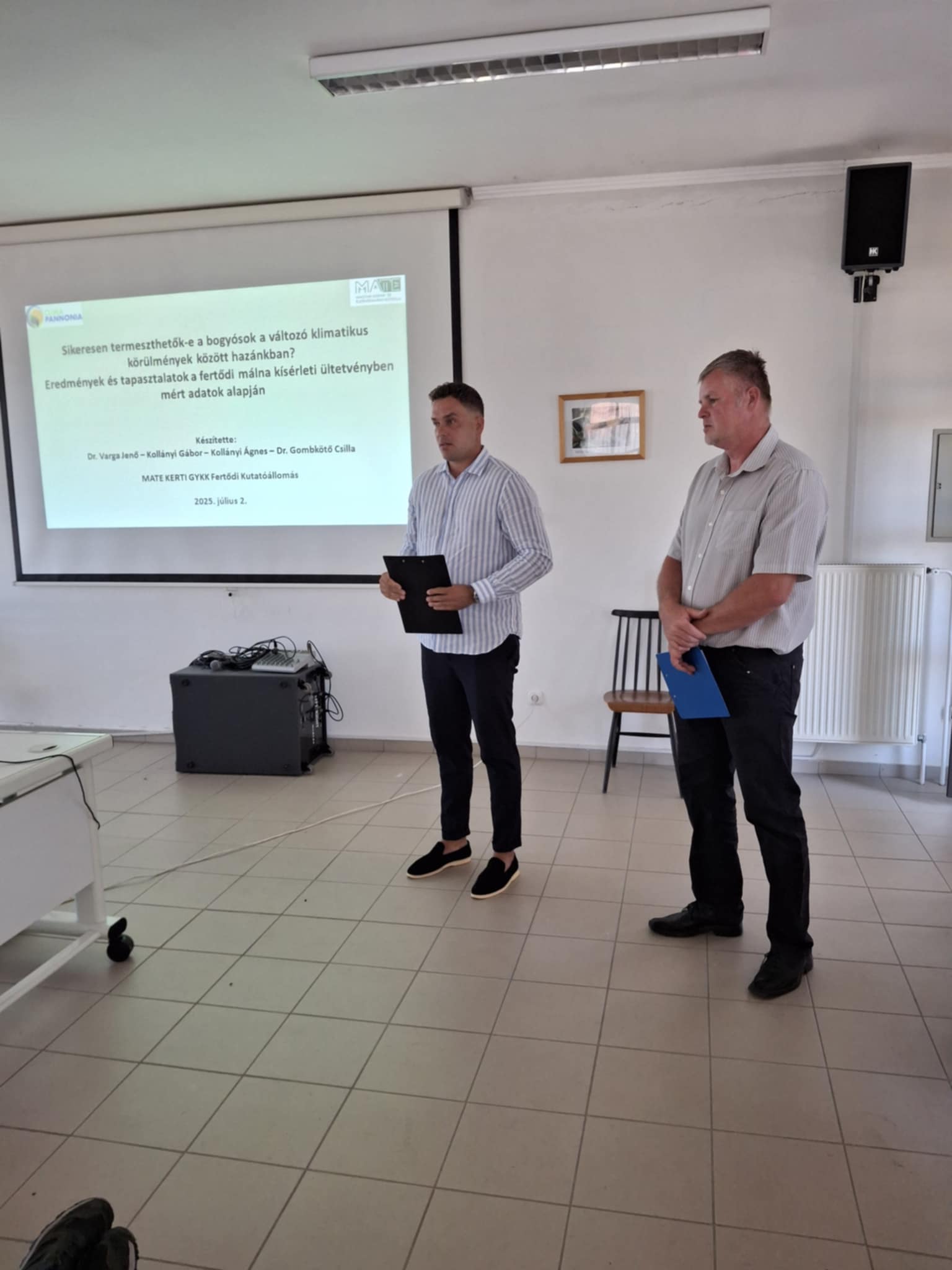
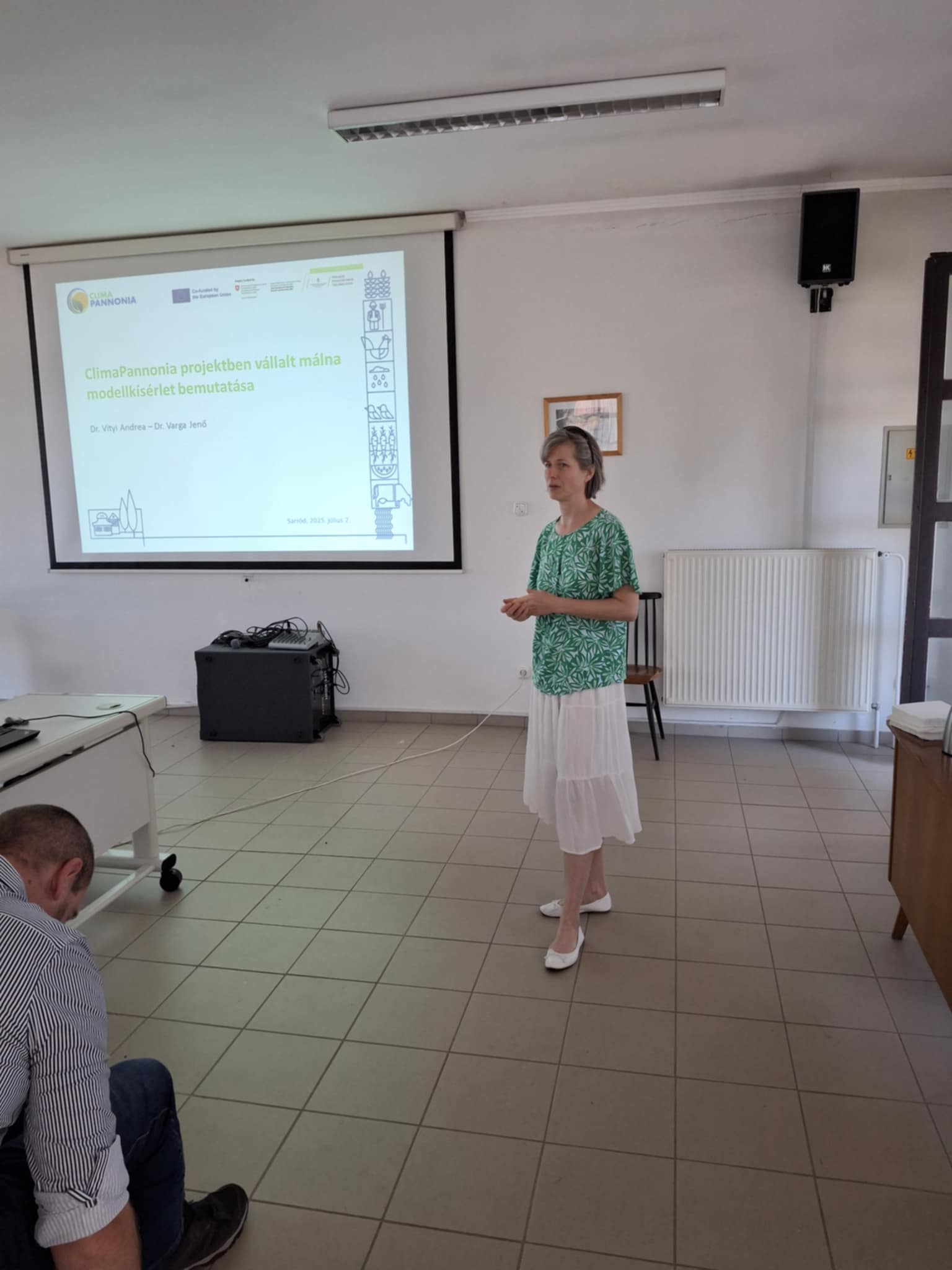
In July, ClimaPannonia partners – the Hungarian University of Agriculture and Life Sciences (MATE), the Hungarian Chamber of Agriculture (NAK) and the University of Sopron (SOE) – presented innovative Agroforestry DeepDemo practices during a technology demonstration in Sarród (Hungary). The event highlighted how agroforestry approaches can support the future of raspberry cultivation under increasingly challenging climate conditions.
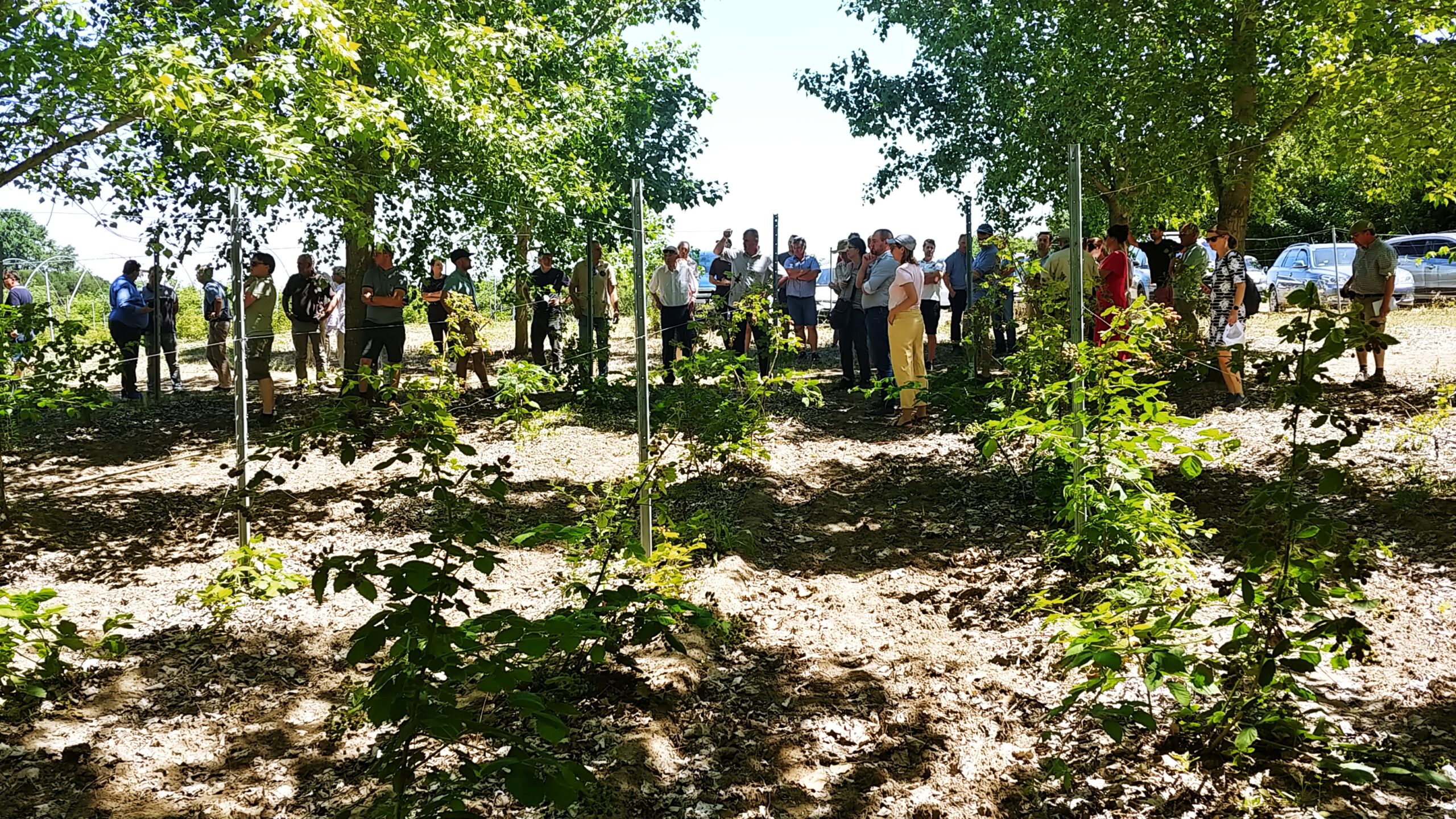
Due to intensifying climate extremes, raspberry production is facing growing difficulties even in traditionally suitable growing areas. At the Fertőd research station, researchers are testing a hybrid poplar-based agroforestry system in which raspberries are cultivated alongside blackberries and blackcurrants.
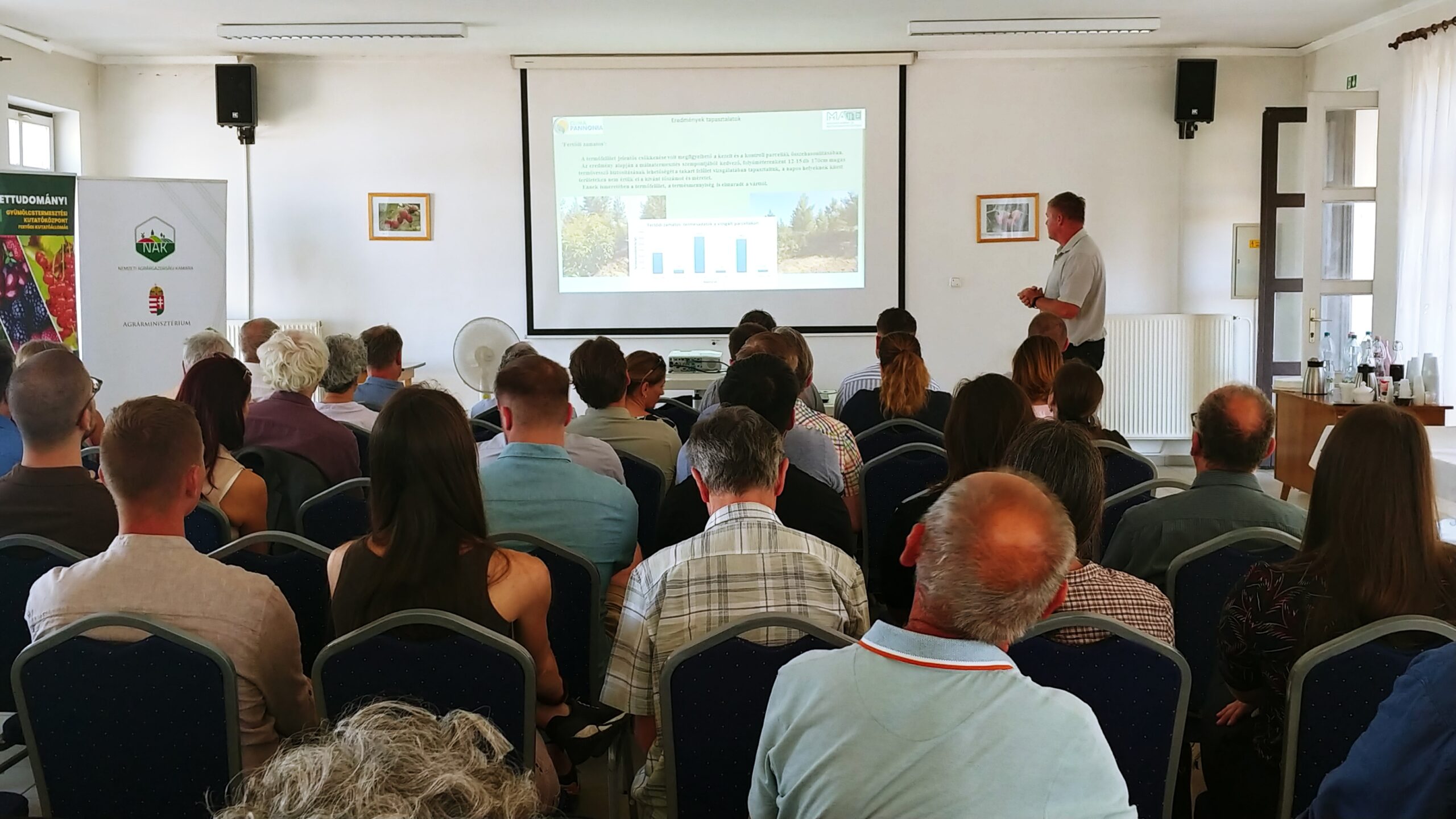
Early results are promising. Shaded conditions have shown improvements in regeneration capacity, sucker yield, cane density and berry yields per linear meter, indicating the potential of agroforestry systems to strengthen crop resilience.
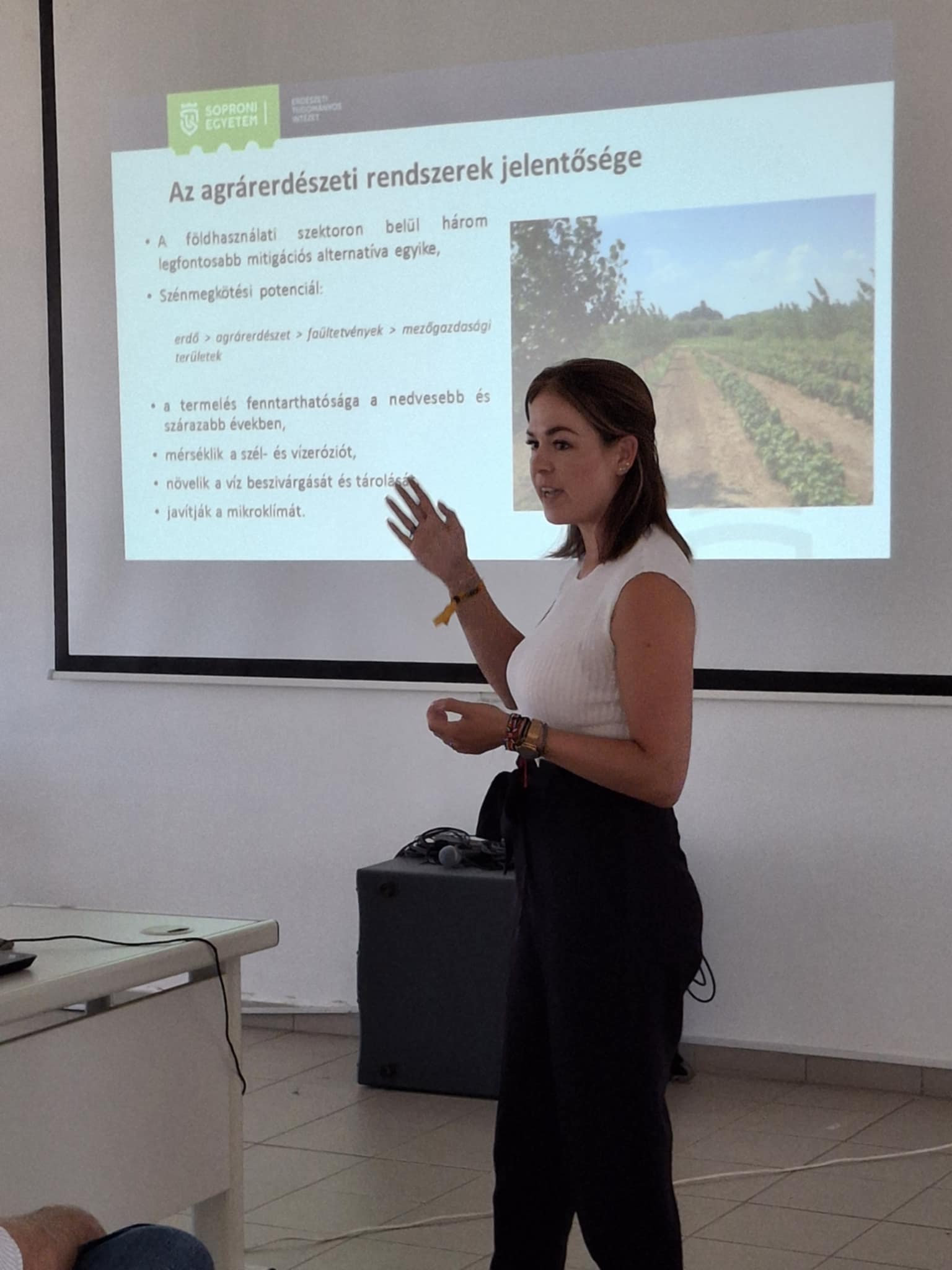
The event also addressed hydrological aspects and carbon dynamics within the system, illustrating the complexity of agricultural resilience where water, soil and biodiversity function as interconnected elements of a single ecosystem.
Participants had the opportunity to observe the experimental garden and see the practical implementation of agroforestry solutions first-hand. The demonstration provided a clear example of how research can translate into tangible practices, reinforcing the role of agroforestry as one of the key approaches explored within the ClimaPannonia project to support resilient agricultural systems.
Experts who contributed to the discussions during the event included András Geösel, Jenő Varga, Gábor Kollányi, Imre Csizmadi, Katalin Zagyvainé Kiss, Orsolya Szabó and Andrea Vityi.