Business Models for Resilient and Sustainable European Agriculture
Key Insights from our ClimaPannonia Research on Risks and Roadmaps
Dear Readers!
The ClimaPannonia project is all about helping farmers in the Pannonian region – that vast, fertile plain stretching across parts of Hungary, Serbia, Croatia, Romania, Czechia, and Slovakia – stand strong against climate change. By rolling out practical, large-scale solutions, we’re making agriculture tougher, more sustainable, and ready for whatever weather throws our way. We’re thrilled to share that our team at Hungary’s National Innovation Agency (NIÜ) wrapped up the first big piece of this puzzle back in June 2025: a deep-dive desk research effort combined with hands-on workshops to spot local climate risks and kick off the design of “roadmaps.”
So, what exactly are these roadmaps?
Think of them as clear, actionable blueprints – like a GPS for farming – outlining step-by-step plans to weave sustainable practices into everyday operations. They’re tailored to four key farming areas: the water-food connection (how water shortages hit crops and food security), agroforestry (blending trees with crops or pastures for better soil and shade), organic crop growing, and cattle rearing. These roadmaps aren’t just ideas on paper; they’re built from real data and farmer input to deliver scalable fixes, like smarter irrigation or heat-proof feed strategies. In the coming months, we’ll test and expand them across the region through cross-border collaborations, turning insights into on-the-ground changes that boost yields, cut waste, and protect the land for generations.
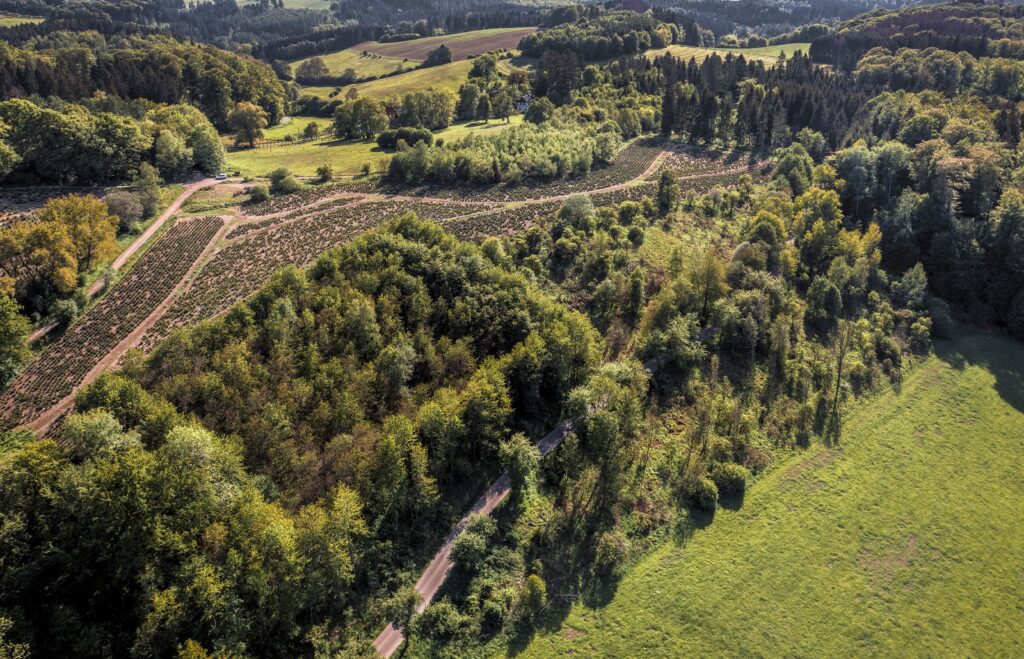
Our research, spanning March to June 2025, drew from policy reviews, climate data (thanks to our project’s monitoring experts), and lively discussions with over 90 stakeholders – from farmers and local councils to national ag experts. We hosted workshops in Hungary (Budapest area, focusing on water-food and agroforestry) and Serbia (Novi Sad and Belgrade regions, diving into organic crops and cattle). These weren’t dry meetings; they were brainstorming sessions packed with case studies, group chats, and real talk about what’s working – and what’s not.
What we uncovered: Shared Risks, Local Twists, and Paths Forward
Diving into the data, we mapped out a “risk catalogue” – a straightforward rundown of climate threats, ranked by likelihood (low/medium/high) and impact (mild/moderate/severe) on each farming area. Across Hungary and Serbia, drought tops the list as a high-probability, severe threat, slashing crop yields by up to 30% and stressing livestock. Soil degradation (from erosion or overuse) hits organic crops hard, while heatwaves amplify feed shortages for cattle. Biodiversity loss, fueled by invasives like black locust in Hungary, weakens agroforestry’s natural buffers against floods.
But here’s where it gets interesting: while the big threats overlap, Hungary and Serbia – and even the four farming areas – show fascinating differences shaped by their landscapes, EU ties, and histories. Hungary, as an EU member, benefits from quicker funding flows and tech-savvy programs but grapples with rigid rules that slow farmer buy-in. Serbia, pushing toward EU membership, shines with untapped natural strengths like hardy local breeds but faces delays in rolling out supports due to coordination hiccups.
Starting with similarities:
Both countries face drought as the most pressing shared risk, with high likelihood and severe impacts on yields and water supply. Soil degradation is another common moderate-likelihood issue, severely affecting long-term fertility across subsectors. Helpful practices overlap too, like crop rotation and diversification, plus using resilient local varieties such as drought-tolerant wheat or spelt. Barriers are alike in funding gaps for small farms and low adoption of tech like weather apps. Opportunities unite around EU funds like Horizon Europe for pilots and cross-border data sharing to predict risks.
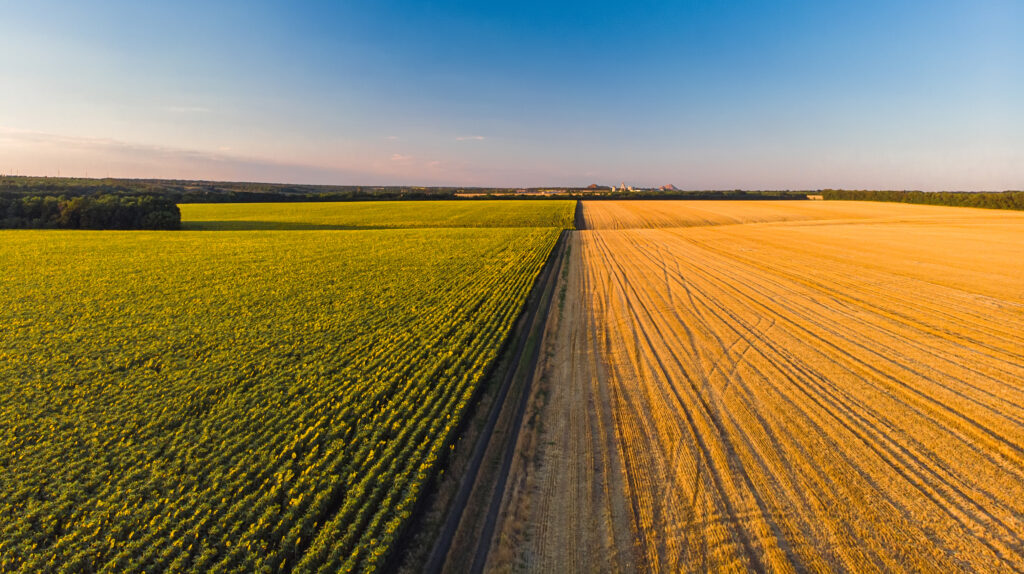
Now, the differences paint a vivid picture. In Hungary, floods and invasives like black locust add to erosion woes in agroforestry and water-food areas, while Serbia contends more with heatwaves and aflatoxins in feed – remember the 2012-13 when severe drought heavily reduced corn yields by 45 percent and resulted maize crisis that spiked milk toxins? For practices, Hungary boasts 314 active cooperative irrigation groups that cut costs by 20%, but Serbia excels in rotational grazing with native Busha cattle for tough pastures. Barriers diverge too: Hungary’s inflexible regs complicate land swaps for trees or crops, whereas Serbia’s slow IPARD rollout delays irrigation grants. Opportunities vary by context – Hungary can lean into circular biomass reuse for soil and energy, while Serbia’s high soil quality and low pollution make it prime for organic exports.
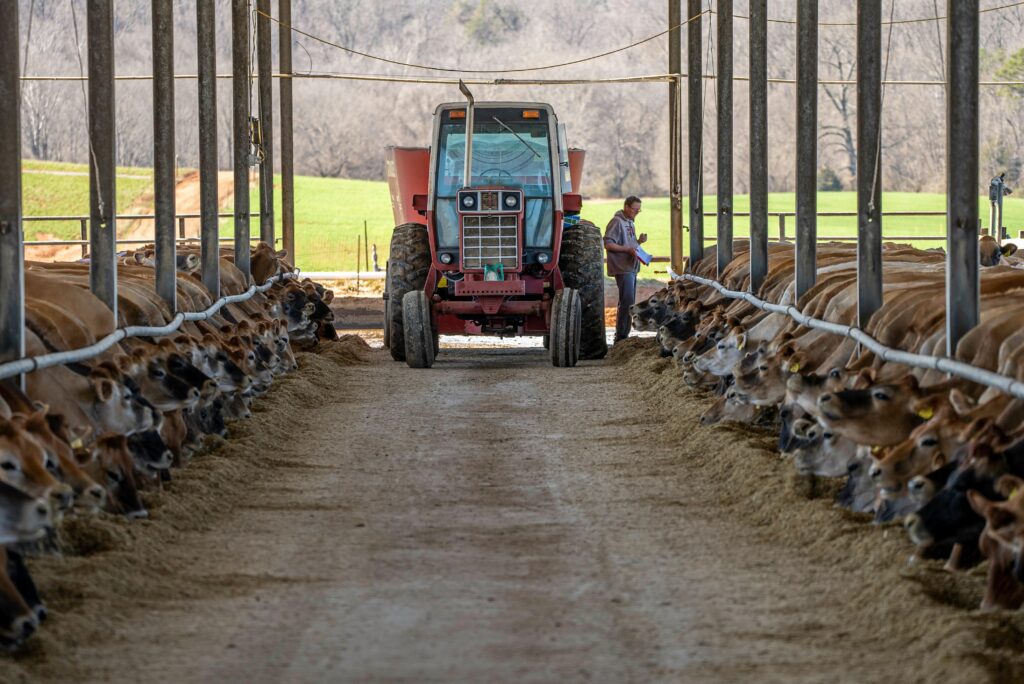
Across subsectors, the nuances deepen. In the water-food nexus, flood-drought cycles hammer grain yields, calling for mulching to lock in moisture. Organic crops suffer erosion in rain-fed fields, where cover crops provide vital soil cover. Cattle face heat stress that drops milk by 20%, eased by night feeding to dodge peak heat. Agroforestry battles biodiversity loss from monocultures, countered by tree rows as windbreaks. All subsectors share a call for native plants and breeds to build resilience, plus training hubs connecting farmers to experts.
These insights came straight from the workshops – Hungarian lowland farmers stressed urgent needs for PBA-wide water sharing, while Serbian partners pushed for joint aflatoxin alerts. For a visual punch, imagine a colorful risk matrix showing threats as bubbles sized by impact: drought as a massive red one, invasives as a spiky orange cluster.
To give a taste of the risk catalogue, consider this prioritized snapshot for the water-food nexus: Drought and flood cycles rank as high likelihood with severe impact on grain yields and water supply, addressed by expanding Hungary’s “Water into the Landscape” voluntary flooding program that’s already aiding 15,000 acres. Soil erosion and nutrient loss come in at medium likelihood with moderate impact on food security, tackled via buffer zones and hedgerows through farmer co-ops. Invasive species spread at medium likelihood but severe biodiversity hit, met with native tree planting subsidies like Serbia’s IPARD pilots.
Our priority actions?
We boiled down hundreds of ideas into 10-15 punchy steps per roadmap, like heat-stress feed protocols for cattle (e.g., adding mycotoxin binders post-drought) or integrated irrigation models blending trees and crops. These were honed through stakeholder quotes – one Serbian organic farmer noted, “Rain-fed fields are a gamble; we need affordable drip systems tied to weather apps.” It’s a living tool – we’ll update it as we test in the field. For example, recommendations emerge from blending desk research with workshop feedback: In Hungary’s water-food analysis, we spotlighted expanding voluntary flooding with streamlined funding to boost participation, while cross-checking against threats like invasive spread to ensure fixes stick.
A Quick SWOT Snapshot: Water-Food Nexus in Hungary
To show how we built recommendations, here’s a narrative take on the strengths-weaknesses-opportunities-threats (SWOT) from our Hungary water-food analysis – a tool that helped prioritize fixes like better IT for drought alerts. Strengths include progressive programs like Water into the Landscape, where over 600 farmers have joined to manage 15,000 acres and see 20-30% yield boosts even in dry spells; a solid legal framework enabling cooperative irrigation and agro-ecological practices; promising local habits that ramp up resilience and yields under stress; and active knowledge-sharing by agricultural organizations. Weaknesses hit hard with the Climate Change Act lacking farm-specific rules, an unstable and inflexible regulatory setup that complicates admin and erodes trust, insufficient monitoring and IT systems plus operational shortfalls in water authorities, and spotty enforcement of sustainable habits like curbing overgrazing or nutrient runoff. Opportunities shine in circular biomass reuse for soil and energy gains, awareness drives via the Ag Chamber to pull in more for voluntary programs, and beefed-up cross-sector teams linking ag, water pros, and conservation for amplified water retention, soil health, and biodiversity. Threats loom large from rising droughts and invasive plants clogging waterways, plus high infrastructure costs without enough subsidies to tempt farmers.
What’s next on the Horizon?
This research is our launchpad – next up, we’ll zoom out to PBA-wide roadmaps with more workshops linking all six countries. ClimaPannonia isn’t solo heroics; it’s a team effort to shield farms from extremes while growing greener.